
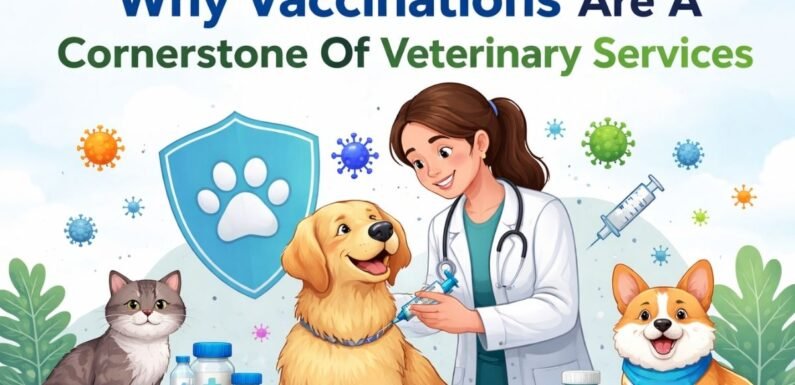
Vaccinations protect your pet from painful disease and protect your family from fear and loss. You may only think about shots during yearly visits, but they form the core of safe and modern veterinary care. Every time you visit a clinic, the team checks which threats are rising in your community and which vaccines match your pet’s age, lifestyle, and health. This careful plan does more than prevent sickness. It cuts medical costs, reduces emergency visits, and supports longer, calmer lives for pets. It also shields newborns, older pets, and animals with weak immune systems. Even one missed vaccine can open the door to sickness that spreads through homes, parks, and shelters. At Los Altos animal hospital and at clinics across the country, vaccines are not an add-on service. They are the foundation that keeps your pet safe before trouble starts.
How Vaccines Work In Your Pet’s Body
You do not need a science degree to understand vaccines. Your pet’s body learns from practice. A vaccine shows the immune system a safe version of a germ. The body studies that germ and builds a defense. Later, when the real germ shows up, the body is ready and attacks fast.
This process means your pet does not have to suffer through the full disease. The body remembers the threat and responds. You cut the risk of organ damage, long recovery, and early death. You also limit time in clinics and at emergency hospitals.
The U.S. Centers for Disease Control and Prevention explains that vaccines can reduce or even remove some diseases from daily life in people. The same idea applies to pets.
Core And Noncore Vaccines For Dogs And Cats
Veterinarians sort pet vaccines into two main groups. This helps you see what is needed for almost every pet and what depends on lifestyle.
- Core vaccines. These protect against common and severe diseases that spread easily.
- Noncore vaccines. These match specific risks such as travel, boarding, or outdoor life.
Common Dog And Cat Vaccines
| Species | Core Vaccines | Noncore Vaccines |
|---|---|---|
| Dog | Rabies, Distemper, Parvovirus, Adenovirus | Leptospirosis, Bordetella (kennel cough), Lyme, Canine influenza |
| Cat | Rabies, Panleukopenia, Herpesvirus, Calicivirus | Feline leukemia, Chlamydia, Bordetella in some settings |
The American Veterinary Medical Association gives clear guidance on these vaccines and updates advice as diseases change.
Why Vaccines Matter Even For Indoor Pets
Many families think an indoor pet is safe. That belief feels comforting. It is also risky. Germs do not respect walls or doors.
You or your children can carry viruses or bacteria on shoes or clothes. A bat can enter a home through a chimney. A screen can tear and let in a stray animal. A short trip to a groomer, boarding kennel, or vet lobby can expose an unprotected pet to illness.
Routine vaccines create a shield before that surprise contact. You protect your pet from sickness. You also reduce the chance that your pet becomes a carrier and passes disease to other animals or people.
Public Health And Your Family’s Safety
Some pet diseases can infect people. Rabies is the clearest example. It causes death once symptoms appear. Rabies vaccines for pets cut that danger for your family and your neighbors.
Leptospirosis and some strains of influenza can also move between animals and humans. When you vaccinate your pet, you reduce the odds that your child, a grandparent, or a pregnant family member faces a serious infection.
Public health systems depend on many small choices. Your choice to vaccinate supports schools, parks, shelters, and wildlife workers. You help keep community fear and grief low.
Cost, Risk, And The Power Of Prevention
Some families worry about vaccine cost or reactions. It is wise to ask questions. It is also important to compare those fears with the stakes.
- Vaccine visits are planned and short.
- Treatment for diseases such as parvo or feline panleukopenia often means days in the hospital.
- These diseases can kill young or weak pets even with care.
Side effects from vaccines are usually mild and brief. Your pet might feel tired or sore at the injection site. Serious reactions are rare. Your vet team watches for them and acts fast if needed. You have control and support.
Sample Puppy And Kitten Vaccine Schedules
Young animals need a series of shots. Their immune systems are still learning. Maternal antibodies from milk fade over time. Without a full series, gaps appear in protection.
Typical Early-Life Vaccine Timeline
| Age | Puppy Vaccines | Kitten Vaccines |
|---|---|---|
| 6 to 8 weeks | First distemper combo | First FVRCP combo |
| 10 to 12 weeks | Second distemper combo, possible Bordetella | Second FVRCP, possible FeLV |
| 14 to 16 weeks | Third distemper combo, rabies | Third FVRCP, rabies |
| Adult | Boosters every 1 to 3 years as advised | Boosters every 1 to 3 years as advised |
These timelines are examples. Your veterinarian adjusts them based on your pet’s health and local disease patterns. You should keep records and bring them to every visit. That habit prevents missed shots and repeated doses.
What To Expect At A Vaccine Visit
You do not only get a shot at a vaccine visit. You get a full check on your pet’s health. The team will usually:
- Ask about eating, drinking, bathroom habits, and behavior.
- Check weight, heart, lungs, teeth, and joints.
- Review past vaccines and any reactions.
- Talk through travel plans, boarding, or changes at home.
You should speak up about worries. Ask what each vaccine protects against. Ask about side effects. Ask which diseases are rising in your city. Clear talk builds trust and lowers fear.
Staying On Track Over A Lifetime
Vaccination is not a one time event. It is a steady part of care from babyhood through old age. Life changes. Risk changes. Your pet may start hiking, move to a new state, or spend more time in boarding. Each change can affect vaccine needs.
You can stay on track by:
- Booking yearly wellness exams.
- Keeping a written or digital record of every vaccine.
- Setting reminders for future boosters.
- Updating your vet if your pet’s lifestyle shifts.
Routine care is more effective after treatment. You lower fear. You keep costs under control. You give your pet a stronger chance at a long and steady life.
