
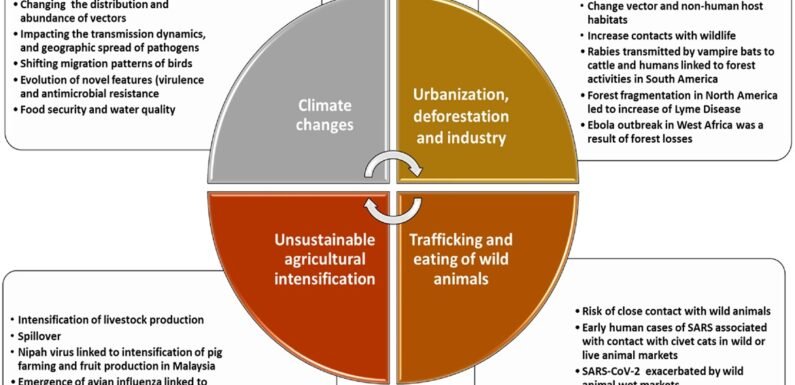
Zoonotic diseases, like COVID-19 and rabies, remind us that animals and humans share health risks. You can catch these illnesses from animals through direct contact or vectors like mosquitoes. Vaccines play a crucial role in stopping these diseases before they spread. They protect both animals and humans. For example, a veterinarian in Unionville-Markham may vaccinate pets, safeguarding them and their owners from rabies. When you vaccinate animals, you reduce the threat to human health. Similarly, vaccines for humans can prevent diseases from spreading when contact with animals occurs. Understanding vaccines’ role is essential. You can help your community stay safe from zoonotic diseases by keeping your pets’ vaccinations up to date and seeking vaccinations when traveling to high-risk regions. This combined effort between animal care and public health strengthens both human and animal defenses against dangerous diseases. Protecting one protects all from the threat of zoonotic diseases.
Understanding Zoonotic Diseases
Zoonotic diseases are illnesses that can move between animals and humans. They can come from viruses, bacteria, parasites, and fungi. You might encounter these diseases through animal bites, scratches, or contaminated food. Common zoonotic diseases include rabies, Lyme disease, and West Nile virus. These diseases can lead to mild symptoms or severe health conditions.
In our interconnected world, zoonotic diseases spread quickly. Travel and trade increase the risk of exposure. That is why vaccinations are crucial. They provide a defense by preparing the immune system to fight off the disease. When vaccines are widely used, they help control outbreaks and reduce illness spread.
How Vaccines Work
Vaccines stimulate your body’s immune system to recognize and fight specific viruses or bacteria. They contain weakened or inactive parts of the organism. When introduced, your body learns to recognize these parts as threats and builds a defense. If you encounter the real disease later, your immune system responds quickly and effectively.
Vaccines are tested through rigorous studies to ensure safety and effectiveness. After approval, continuous monitoring ensures they remain safe for public use. Vaccines offer community protection when enough people are vaccinated. This concept, known as herd immunity, helps protect those who cannot get vaccinated, like newborns or individuals with certain health conditions.
Animal Vaccination
Vaccinating animals is a key step in preventing zoonotic diseases. Pets, livestock, and wildlife can all be carriers. Regular veterinary care, like rabies vaccinations for pets, is vital. In agriculture, vaccinating livestock protects both animals and humans who handle them.
The following table compares common zoonotic diseases and available vaccines:
| Disease | Animal Carrier | Available Vaccine |
|---|---|---|
| Rabies | Dogs, Cats, Bats | Yes |
| West Nile Virus | Birds, Mosquitoes | No (for humans) |
| Lyme Disease | Deer, Ticks | Yes (for dogs) |
Human Vaccination
Vaccines for humans protect against direct exposure to certain zoonotic diseases. Travel vaccines, such as those for yellow fever, are recommended when visiting specific regions. Keeping up to date with vaccinations reduces the risk of contracting and spreading diseases.
For detailed information on vaccination schedules, you can visit the Centers for Disease Control and Prevention (CDC) website. Their resources guide you on the necessary vaccines based on age, health status, lifestyle, and travel plans.
Global Impact
Vaccination programs play an important role in public health efforts worldwide. Organizations work to ensure vaccines reach all populations, regardless of economic status. This global collaboration helps prevent pandemics and reduces the burden on healthcare systems.
The World Health Organization (WHO) provides valuable information on vaccination efforts. Their initiatives aim to advance vaccine coverage and strengthen health systems. You can learn more by visiting the WHO Vaccines and Immunization page.
Conclusion
Vaccines are a cornerstone of disease prevention. By safeguarding both animals and humans, they reduce the threat of zoonotic diseases. Staying informed about vaccinations, ensuring pets receive regular veterinary care, and obtaining necessary travel vaccines contribute to a healthier world. Protect yourself, your family, and your community by understanding and supporting vaccination programs.
