
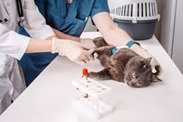
Blood work plays a crucial role in animal hospital services. It helps identify and treat health issues in pets. When you bring your pet to a veterinarian in Nederland, TX, they often recommend blood tests. These tests reveal vital information about your pet’s health. They can detect diseases early, monitor ongoing conditions, and ensure treatments work. Early detection means better outcomes for your furry friend. Blood work helps track changes in your pet’s health over time. It provides a baseline, so any changes stand out. You know your pet best, but blood tests reveal what may not be visible. Routine blood work means peace of mind. It ensures your pets live longer and healthier lives. Healthy pets bring joy and companionship. It’s an essential part of responsible pet care and can save lives. Be proactive. Schedule blood work as part of your pet’s regular check-ups.
What Blood Work Can Detect
Blood tests can uncover a variety of conditions. They can detect infections, anemia, diabetes, and kidney issues. Blood work also checks liver function. It can even reveal the presence of tumors. These tests give a clear picture of your pet’s internal health. Identifying problems before symptoms appear is key.
Types of Blood Tests for Pets
There are several common blood tests for pets. Each offers unique insights into their health.
- Complete Blood Count (CBC): This test measures red and white blood cells and platelets. It checks for infections, inflammation, and anemia.
- Blood Chemistry Panel: This test evaluates kidney, liver, and heart health. It also measures electrolytes and proteins.
- Thyroid Tests: These tests check thyroid hormone levels. They help diagnose thyroid imbalances.
Understanding the Results
Pet owners often find blood test results confusing. Veterinarians interpret these results. They explain what each number means for your pet’s health. Understanding the results is important. It helps you make informed decisions about your pet’s care.
Benefits of Routine Blood Work
Routine blood work offers numerous benefits. It provides a baseline for your pet’s health. This makes it easier to detect changes over time. Blood work also helps identify diseases early. Treatment can begin sooner. This improves outcomes and quality of life. Regular blood tests can catch issues before they become serious.
Comparison Table: Types of Blood Tests
| Blood Test Type | What It Detects | Common Conditions Detected |
|---|---|---|
| Complete Blood Count (CBC) | Blood cell counts and health | Infections, anemia, inflammation |
| Blood Chemistry Panel | Organ function and electrolytes | Kidney disease, liver disease, heart issues |
| Thyroid Tests | Thyroid hormone levels | Hyperthyroidism, hypothyroidism |
How Often Should Blood Work Be Done?
Frequency depends on your pet’s age and health. Young, healthy pets may need blood work annually. Older pets or those with health issues might need testing more often. Regular blood tests help manage chronic conditions. They ensure treatments are effective. Always follow your veterinarian’s advice.
The Role of Blood Work in Emergency Situations
In emergencies, blood work is critical. It helps veterinarians quickly diagnose issues. This leads to prompt treatment. During surgery, blood work informs anesthesia and pain management. It also aids recovery. Quick, accurate information can save lives.
Conclusion
Blood work is a vital part of pet healthcare. It reveals hidden problems and tracks health over time. Routine blood work leads to early detection and better outcomes. It ensures your pets remain happy and healthy. Regular check-ups, including blood tests, show you care. They protect your pet’s health and well-being. Remember, healthy pets are happy pets. For more information on pet health, visit the American Veterinary Medical Association website.
